
January 14, 2025
qPENTA DenV Profile BPX™: Targeting Dengue Confidently
Discover how the BioPathogenix qPENTA DenV Assay is transforming dengue virus detection. BPX qPENTA DenV profile provides comprehensive analysis of all four dengue serotypes.
← Back to Learning Center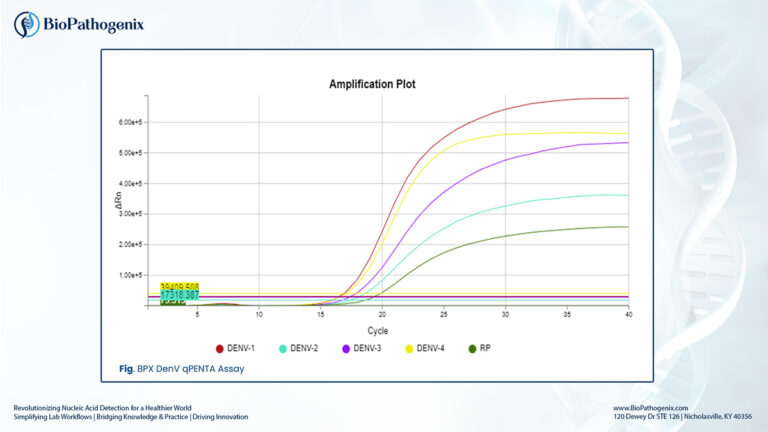
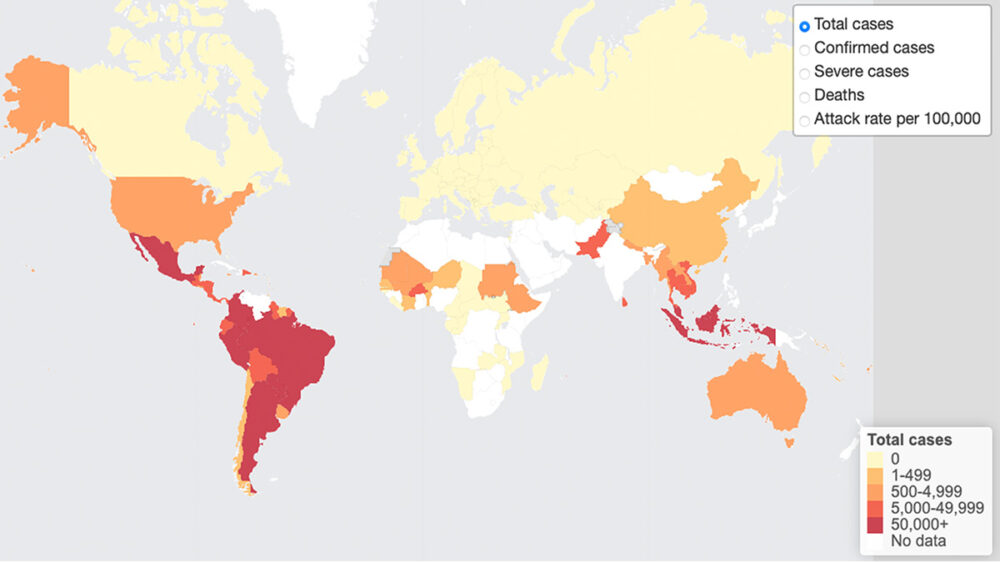
In the United States, dengue cases have increased recently. The Centers for Disease Control and Prevention (CDC) reported 743 dengue cases among U.S. travelers in 2024.
In South America, Brazil and Argentina faced severe outbreaks. Brazil's health ministry anticipated over 4.2 million cases in 2024, setting a new record. Argentina reported its worst dengue outbreak, with over 100,000 cases in the first three months of 2024—an elevenfold increase from 2023.
Dengue is endemic in U.S. territories like Puerto Rico, the Virgin Islands, and American Samoa. In non-endemic areas, it is the leading cause of fever among travelers returning from tropical or subtropical regions, including the Caribbean, Latin America, and Asia. Sporadic outbreaks also occur in areas with mosquito vectors, such as along the U.S.-Mexico border, Florida, and Hawaii.
Understanding Dengue Virus: Serotypes
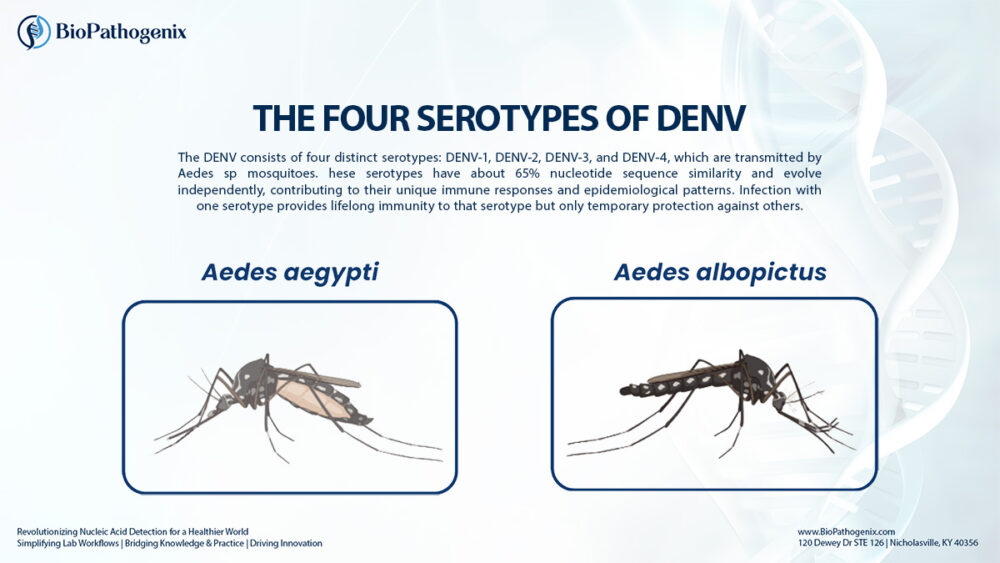
The DENV consists of four serotypes: DENV-1, DENV-2, DENV-3, and DENV-4, transmitted by Aedes spp. mosquitoes. Each serotype is genetically and antigenically distinct. They share about 65% nucleotide sequence similarity but evolve independently.
This leads to unique immune responses and epidemiological patterns. Infection with one serotype provides lifelong immunity to that serotype but only temporary protection against others. As a result, people may experience multiple infections over their lifetime.
DENV has a single-stranded, positive-sense RNA genome approximately 10.7 kilobases long. It belongs to the family Flaviviridae and the genus Flavivirus.
Its RNA-dependent RNA polymerase lacks proofreading, leading to high mutation rates during replication. These mutations increase genetic diversity and help the virus evade immune responses.
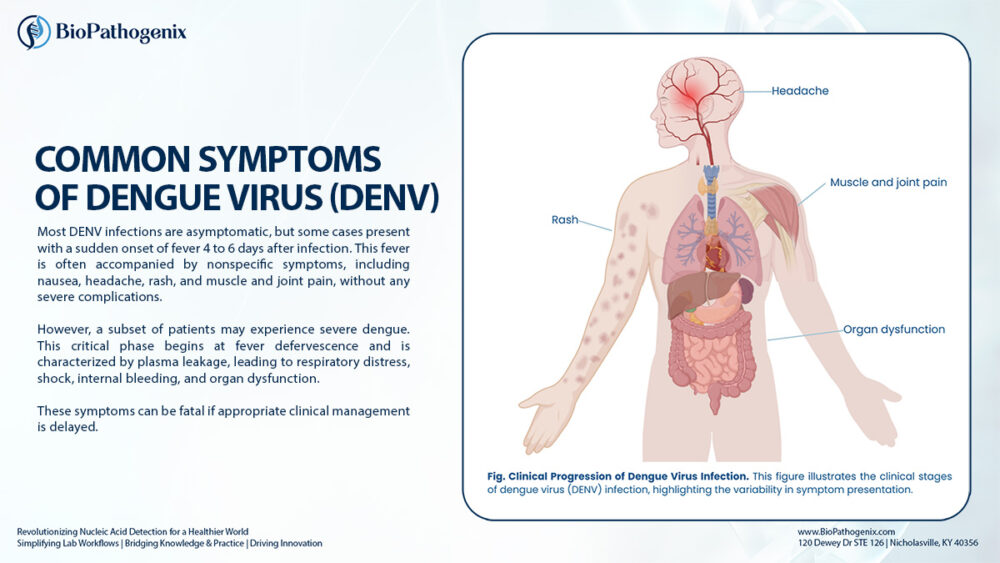
Secondary infections with different serotypes can increase the risk of severe disease due to antibody-dependent enhancement (ADE). Managing dengue in regions with co-circulating serotypes becomes more complicated.
Certain mutations in DENV are linked to severe symptoms like hemorrhagic fever and shock syndrome. The evolving nature of DENV serotypes makes developing an effective vaccine challenging. Current vaccine research focuses on genetic variability and cross-protection between serotypes.
Nucleic acid amplification testing (NAAT), especially reverse transcription polymerase chain reaction (RT-PCR), is highly sensitive and specific. It detects viral RNA during the acute infection phase, typically within the first week.
NAAT provides high sensitivity, rapid results, and the ability to differentiate between DENV serotypes. It can also identify co-infections, such as chikungunya and Zika virus.
BioPathogenix qPENTA DenV Assay Product Highlights
BioPathogenix has launched the BPX DenV qPENTA Assay. This RT-PCR test detects RNA from dengue virus serotypes 1, 2, 3, and 4 in human serum or plasma samples.
It is designed for patients showing symptoms consistent with dengue infection. The kit includes a primer/probe set to detect the human RNaseP gene in clinical specimens.
The analytical specificity of the BPX DenV qPENTA Assay was rigorously tested. Nucleic acids from various organisms commonly found in blood, serum, or plasma were analyzed.
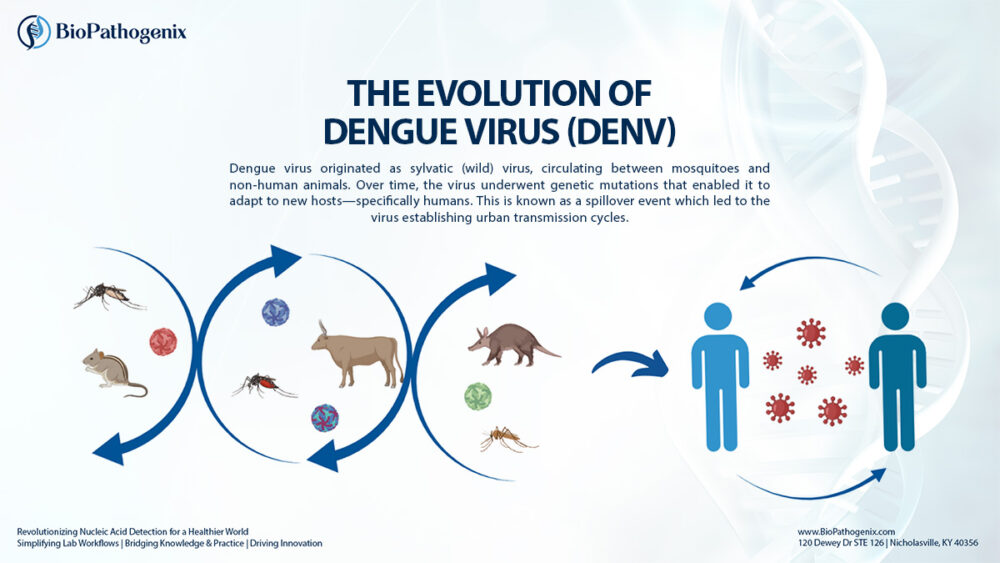
How did Dengue Virus (DenV) Evolve?
Dengue virus originated as a sylvatic virus, circulating between mosquitoes and non-human animals. Over time, genetic mutations enabled it to adapt to human hosts. This spillover event allowed the virus to establish urban transmission cycles.
Nucleic acid amplification testing (NAAT), especially reverse transcription polymerase chain reaction (RT-PCR), is highly sensitive and specific. It detects viral RNA during the acute infection phase, typically within the first week.
NAAT provides high sensitivity, rapid results, and the ability to differentiate between DENV serotypes. It can also identify co-infections, such as chikungunya and Zika virus.
Browse Our Inventory of Lab Supplies
Find the reagents, assays, kits, and lab products you need to support reliable molecular diagnostic workflows.
Shop NowExplore the BioPathogenix Product Catalog
Download the complete BioPathogenix research portfolio to discover molecular assays, nucleic acid extraction kits, workflow tools, and laboratory supplies designed to support ever-evolving research environments.
Our catalog provides a convenient overview of available products and solutions across the BioPathogenix portfolio.