
December 2, 2024
PCR and qPCR: Differences Explained
Ever wonder how real-time PCR revolutionized DNA analysis compared to traditional methods? Dive into this comparison and uncover why qPCR is redefining nucleic acid detection and identification workflows
← Back to Learning Center
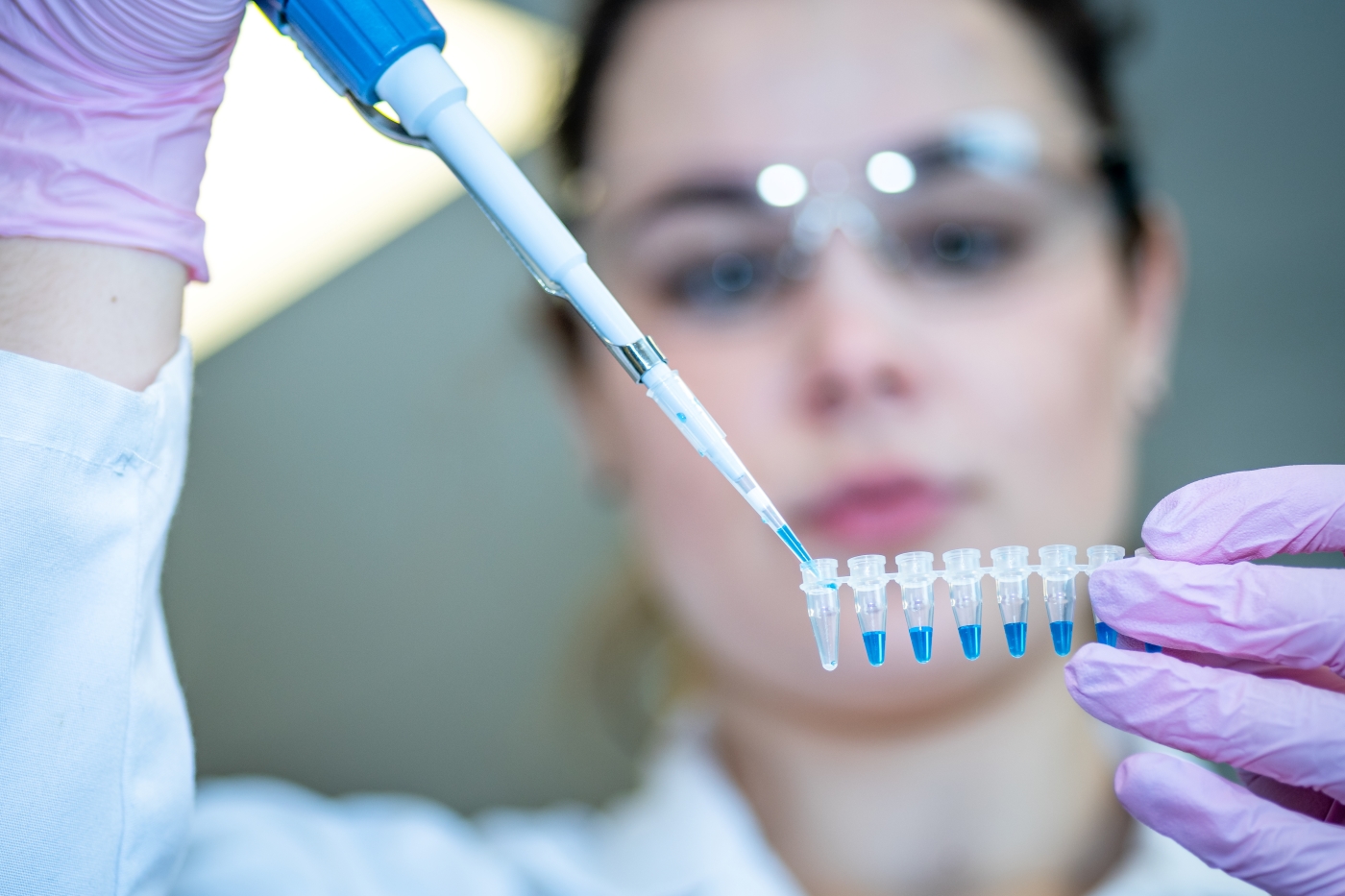
Understanding the Differences Between Traditional PCR and Real-Time PCR
In the world of molecular biology, few techniques have revolutionized research and diagnostics as profoundly as Polymerase Chain Reaction (PCR). Whether you're amplifying DNA for genetic studies or quantifying viral loads in a clinical setting, PCR is an indispensable tool.
But how do you choose between Traditional PCR and Real-Time PCR (qPCR)? Each method offers unique advantages, and understanding their differences can help you select the right approach for your lab's specific needs and challenges.
What is Traditional PCR?
Traditional PCR amplifies DNA through repeated thermal cycling, consisting of three main steps:
- Denaturation: Heating the reaction mixture to around 95°C separates the double-stranded DNA into single strands.
- Annealing: Cooling the mixture to 50–65°C allows primers to bind to their complementary sequences on the single-stranded DNA templates.
- Extension: Raising the temperature to approximately 72°C enables Taq DNA polymerase to synthesize new DNA strands by adding nucleotides to the primers.
These steps are repeated for 20–40 cycles, leading to exponential amplification of the target DNA segment. Detection of the amplified product occurs post-PCR through gel electrophoresis, which separates DNA fragments by size before they are visualized using staining techniques. While effective, this process is time-consuming and labor-intensive, making it less ideal for high-throughput applications.
What is Real-Time PCR (qPCR)?
Real-Time PCR, or quantitative PCR (qPCR), enhances traditional PCR by allowing the monitoring of DNA amplification in real time. This is achieved using fluorescent dyes or probes that emit light proportional to the amount of DNA generated during the PCR cycles.
Key features of qPCR include:
- Real-Time Monitoring: Fluorescence is measured at each cycle, providing immediate data on DNA amplification.
- Quantification: Both relative and absolute quantification of nucleic acids are possible, making qPCR essential for gene expression analysis.
- Increased Sensitivity and Specificity: Sequence-specific probes improve accuracy by reducing non-specific amplification.
This technology eliminates the need for post-PCR processing, saving time and reducing the risk of contamination.

Key Differences Between Traditional PCR and Real-Time PCR
- Detection Method: PCR requires post-amplification analysis via gel electrophoresis, while qPCR monitors amplification in real time through fluorescence, improving workflow efficiency in high-throughput labs.
- Quantification Capability: Traditional PCR is primarily qualitative, indicating only the presence or absence of a target sequence. qPCR provides quantitative data, giving researchers detailed insight into gene expression and disease progression.
- Sensitivity and Specificity: qPCR offers higher sensitivity and specificity through fluorescent probes, ensuring reliable detection of low-abundance targets.
- Time Efficiency: qPCR eliminates post-PCR processing, reducing the overall time required to obtain results and speeding up decision-making.
- Data Analysis: qPCR generates immediate quantitative data, while traditional PCR results require additional steps for analysis.
PCR & qPCR Applications
Traditional PCR is widely used in cloning, sequencing, and genotyping. In forensic science, it amplifies DNA evidence collected at crime scenes for detailed analysis, and in research it screens genetic mutations before moving into advanced studies. Real-Time PCR (qPCR) is preferred for applications requiring precise quantification. In clinical diagnostics, it monitors viral loads in patients with chronic diseases such as HIV or hepatitis, while in agriculture, qPCR identifies genetically modified organisms (GMOs) in crops with unmatched sensitivity.
Use Cases for Both Techniques
PCR and qPCR are transforming numerous industries, enabling breakthroughs in nucleic acid detection and analysis:
- Clinical Diagnostics: PCR is the gold standard for diagnosing infectious diseases by detecting pathogens like viruses, bacteria, and fungi. RT-PCR became the global benchmark for identifying SARS-CoV-2, while qPCR allows precise quantification of viral loads to monitor disease progression and treatment efficacy.
- Genetic Research: Scientists use traditional PCR to identify single nucleotide polymorphisms (SNPs) linked to genetic diseases, while real-time PCR quantifies gene expression to help researchers understand how genes regulate biological processes.
- Food Safety and Agriculture: PCR detects foodborne pathogens like Salmonella, Listeria, and E. coli, and identifies genetically modified organisms (GMOs) in crops to ensure regulatory compliance.
- Forensics: Techniques like STR (Short Tandem Repeat) analysis rely on traditional PCR to match DNA profiles in criminal investigations, while qPCR's quantitative capability supports precise analysis of degraded DNA.
- Environmental Monitoring: PCR-based methods detect microbial contaminants such as E. coli or Cryptosporidium in water, while qPCR assesses harmful algae blooms or emerging pathogens to protect ecosystem and public health.
Emerging Innovations in PCR and qPCR Technology
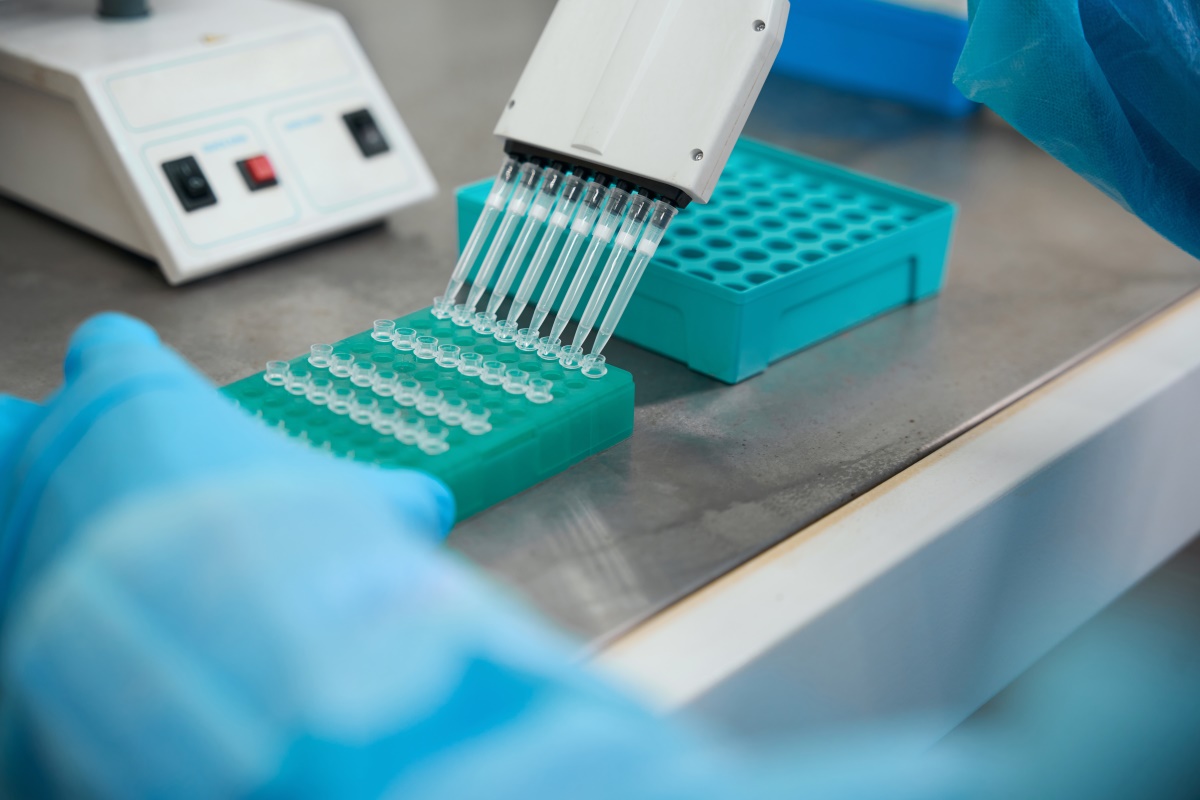
New methodologies continue to enhance PCR's capabilities, addressing challenges in sensitivity, accuracy, speed, and accessibility. Reverse Transcription PCR (RT-PCR) enables the study of RNA viruses like SARS-CoV-2, influenza, and Zika by converting RNA into cDNA before amplification. Digital PCR (dPCR) partitions a reaction into thousands of droplets for absolute quantification without standard curves, ideal for detecting rare mutations in oncology. Multiplex PCR amplifies multiple targets in a single reaction, useful for identifying co-infections like Dengue and Zika. Integration with Next-Generation Sequencing (NGS), AI-driven analysis, lab automation, and portable point-of-care devices are all pushing PCR toward faster, more accessible, and more precise diagnostics.
Looking Forward
The emergence of these advanced PCR methodologies is redefining the boundaries of molecular biology. Future innovations will likely focus on improving reaction speed, lowering costs, and achieving even greater sensitivity and specificity. As PCR technologies continue to evolve, their integration with other cutting-edge tools like CRISPR and digital microfluidics will unlock new possibilities in research, diagnostics, and beyond.
Browse Our Inventory of Lab Supplies
Find the reagents, kits, and lab products you need to support reliable molecular diagnostic workflows.
Shop NowExplore the BioPathogenix Product Catalog
Download the complete BioPathogenix research portfolio to discover molecular assays, nucleic acid extraction kits, workflow tools, and laboratory supplies designed to support ever-evolving research environments.
Our catalog provides a convenient overview of available products and solutions across the BioPathogenix portfolio.