
November 1, 2024
Lyophilization: Process, Benefits and Applications
Lyophilization helps preserve sensitive biological materials by removing moisture under controlled conditions. This article explains the process, its phases, and how it supports molecular diagnostics and qPCR workflows.
← Back to Learning Center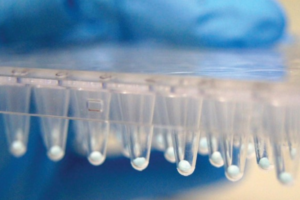

Phases of Lyophilization
Lyophilization includes several key phases:
- Freezing: The material is cooled below its freezing point. This step preserves its integrity and stability.
- Primary Drying: In this phase, water sublimates under vacuum while minimal heat is applied. Most of the water content is removed at this stage.
- Secondary Drying: Reduced pressure and additional heat remove residual moisture. This ensures the material becomes completely dry and stable.
Each phase contributes to maintaining the quality of the final product. Therefore, this process remains an effective method for long-term preservation of the final product, making lyophilization an effective method for long-term preservation.
Applications in Lab Workflows
Lyophilization has broad applications across various industries:
- Food Industry: This technique preserves foods like fruits, vegetables, and instant coffee. It retains their flavor, texture, and nutritional value.
- Biotechnology and Pharmaceuticals: Lyophilization is essential for storing enzymes, antibodies, vaccines, drugs, and other biological reagents. It stabilizes temperature-sensitive biomolecules, maintaining their activity and structural integrity over time.
- Diagnostics: The method stabilizes reagents in PCR assays, immunoassays, point-of-care testing, biobanking, and sample preservation.
In each field, lyophilization ensures products remain effective and reliable for extended periods, even in challenging conditions.
Use in Real-Time PCR (qPCR)
qPCR is a crucial technique in molecular diagnostics. It amplifies and detects specific nucleic acid sequences. To remain stable, the process depends on properly stored enzymes, primers, probes, and other reagents.
Lyophilization simplifies qPCR workflows by stabilizing reagents into shelf-stable formats, such as lyophilized pellets or mixes. These formats reconstitute easily with water before use. As a result, they provide consistent performance and reliability across different batches and storage conditions. Additionally, lyophilization reduces the risk of degradation, enabling labs to operate efficiently without compromising accuracy.
Why Lyophilization Matters
By preserving sensitive materials and streamlining workflows, lyophilization plays an indispensable role in modern science. Its applications in food preservation, pharmaceuticals, and diagnostics highlight its versatility and importance. As research and technology progress, lyophilization will continue to offer innovative solutions for maintaining product quality and extending usability.
Enhance Your Workflow with BioPathogenix
BioPathogenix offers advanced lyophilized reagents and solutions designed to optimize workflows in molecular diagnostics and research. Our products ensure stability, reliability, and efficiency, empowering labs to achieve consistent results. Explore our offerings today to see how we can support your work!
Browse Our Inventory of Lab Supplies
Find the reagents, kits, and lab products you need to support reliable diagnostic workflows.
Shop NowExplore the BioPathogenix Product Catalog
Download the complete BioPathogenix research portfolio to discover molecular assays, nucleic acid extraction kits, workflow tools, and laboratory supplies designed to support ever-evolving research environments.
Our catalog provides a convenient overview of available products and solutions across the BioPathogenix portfolio.